
Key Takeaways:
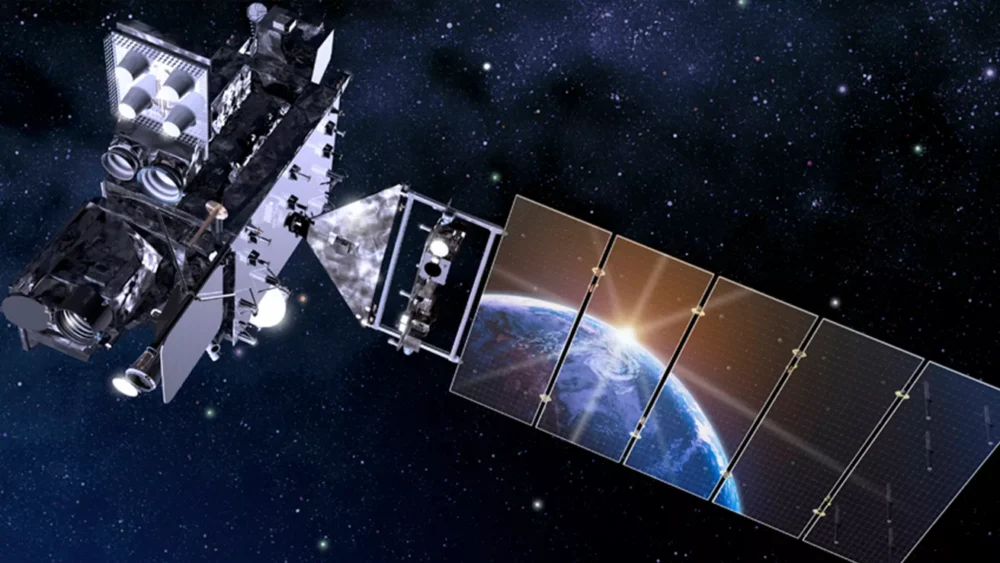
- The Geostationary Operational Environmental Satellites (GOES) program, a collaborative effort by NASA and NOAA, provides continuous monitoring of both terrestrial and space weather phenomena.
- GOES satellites perform critical functions such as mapping lightning activity, imaging atmospheric conditions, and tracking solar activity, yielding invaluable data for climate studies, forecasting, and severe weather alerts.
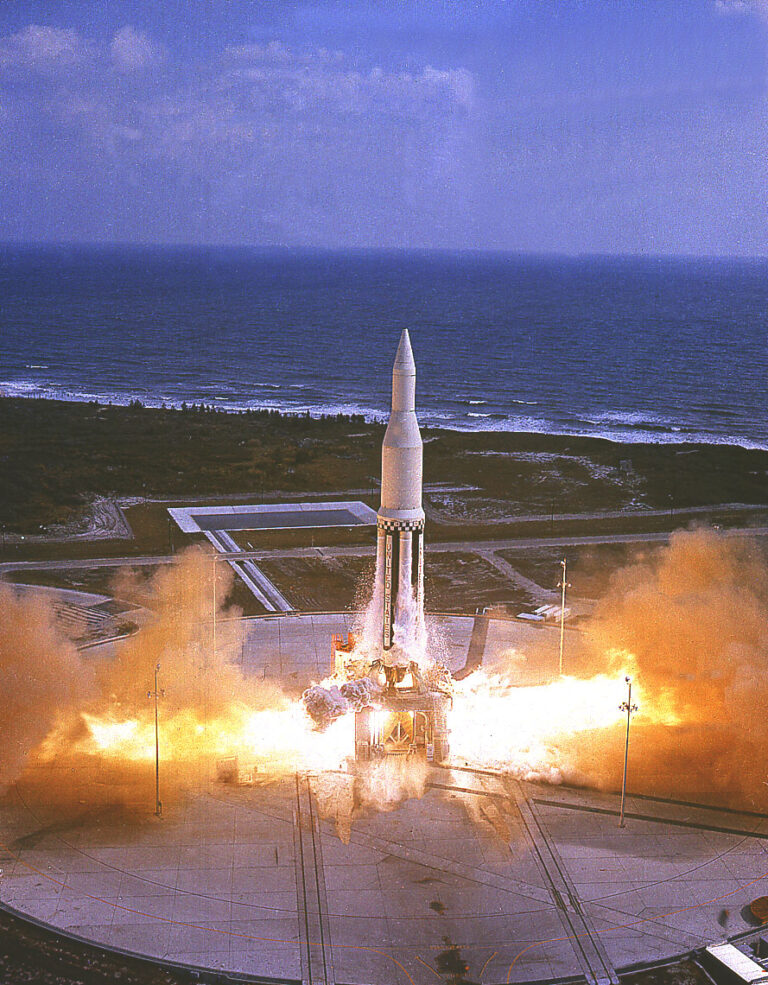
- The program originated with GOES-1 in 1975, following earlier NASA meteorological satellite efforts, and subsequently launched eighteen additional satellites over five decades, each featuring technological refinements.
- GOES-19, launched in June 2024, represents the final satellite in this series, with the successor GeoXO program scheduled to commence operations in 2032.
A joint project of NASA and the National Oceanic and Atmospheric Administration (NOAA), the Geostationary Operational Environmental Satellites (GOES) program provides continuous monitoring of weather both on Earth and in space. The GOES satellites map lightning activity, measure and image atmospheric conditions, and track solar activity and space weather. This constant flow of data is invaluable for ongoing climate studies, accurate forecasts, and prompt severe weather warnings. Two series of predecessor NASA satellites studied meteorological conditions before the first GOES satellite, GOES-1 (called GOES A before launch) lifted off on Oct. 16, 1975. Eighteen additional GOES satellites followed across five decades, with the technology in each successive generation improved and refined. GOES-19 launched on June 25, 2024, and will be the final GOES satellite. The GeoXO program is anticipated to replace GOES, with its first satellite scheduled to launch in 2032.