
Key Takeaways:
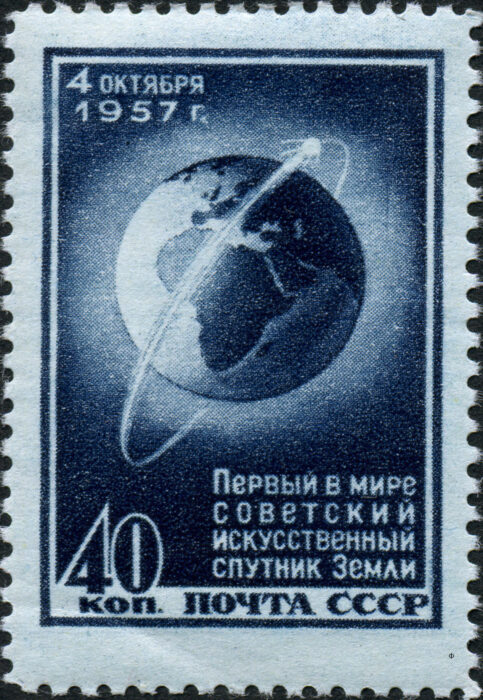
- On October 4, 1957, the Soviet Union successfully launched Sputnik 1, the world's first artificial satellite, using a repurposed R-7 rocket.
- Sputnik 1 measured 58 centimeters in diameter and weighed 84 kilograms, transmitting a beeping signal globally traceable by radio operators, despite lacking scientific instruments.
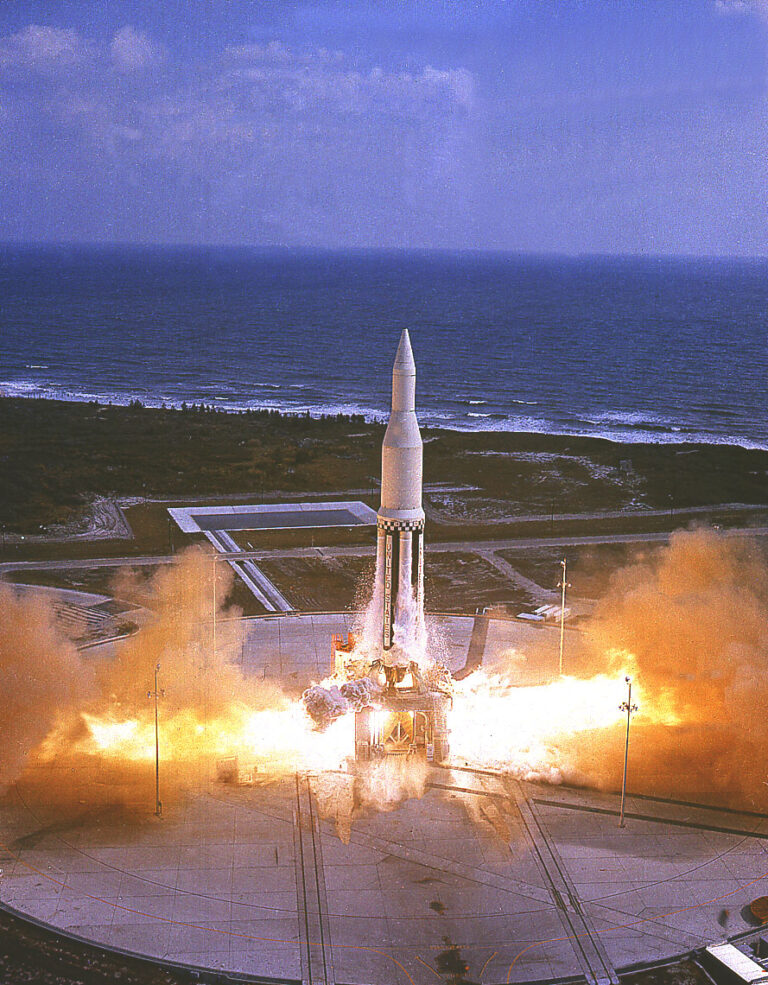
- This event established a technological lead for the Soviet Union in the nascent Space Race, with the United States not launching its first satellite, Explorer 1, until January of the subsequent year.
- The Soviet achievement spurred significant developments, including the creation of NASA and the race to the Moon, while also raising Cold War implications regarding ballistic missile capabilities.
On Oct. 4th, 1957, at 10:29 PM Moscow time, the Soviet Union successfully launched Sputnik 1 into space on a repurposed R-7 rocket. The world’s first artificial satellite, Sputnik was about 22 inches (58 centimeters) in diameter and weighed 184 pounds (84 kilograms). Although there were no scientific instruments aboard, the transmitter it carried sent a beeping signal that radio operators worldwide could track. A shaken U.S. found itself suddenly lagging in the Space Race, not launching the first American satellite, Explorer 1, until January of the following year. The competition between the two superpowers also spurred the creation of NASA and the race to land on the Moon. The Soviet technological dominance had alarming implications for the Cold War as well, suggesting the capability to launch ballistic missiles at the U.S. from the Soviet Union.