
Key Takeaways:
- Shocked quartz, indicative of extreme pressure and temperature, was discovered at three prominent Clovis culture archaeological sites (Murray Springs, Blackwater Draw, Arlington Canyon).
- The presence of this shocked quartz, along with previously identified evidence such as a "black mat" and rare minerals, supports a Younger Dryas impact hypothesis.
- This hypothesis posits a fragmented comet airburst as a major contributing factor to the megafaunal extinctions and the Clovis culture's disappearance.
- The research utilized advanced techniques to confirm the shocked quartz's origin, ruling out volcanism or human activity as causative factors, and supports modeling of low-altitude airbursts.
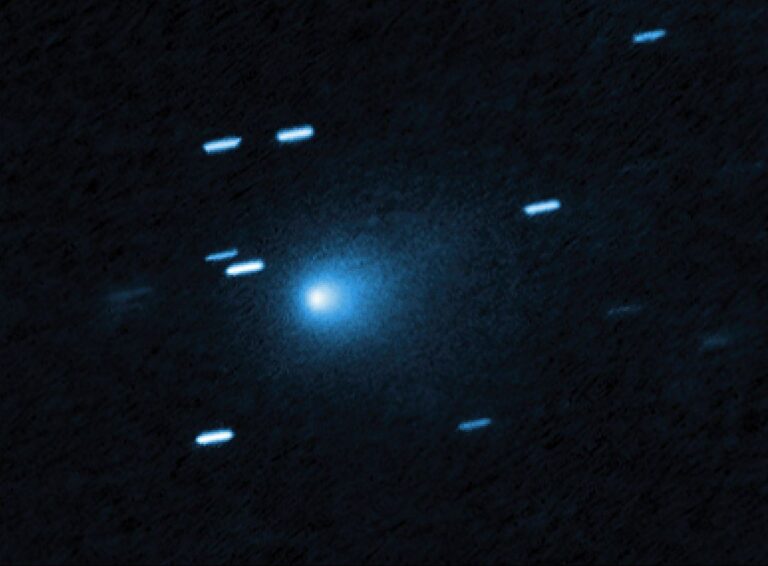
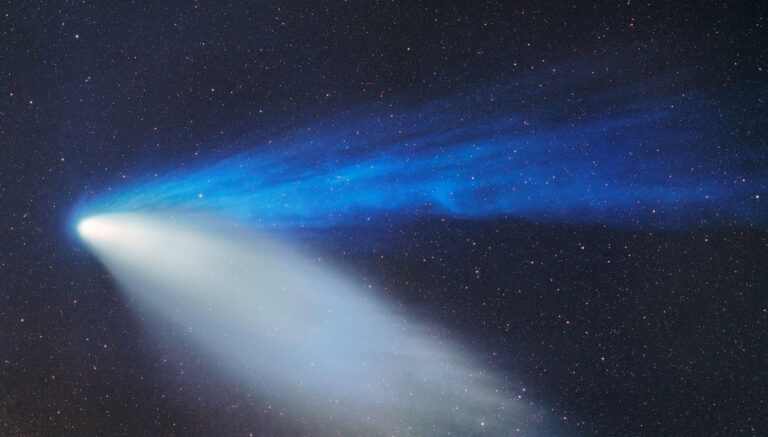
Researchers believe a fragmented comet that is thought to have exploded above Earth almost 13,000 years ago may have had a role in the disappearance of mammoths, mastodons, and most other megafauna (large animals) at that time, and in the vanishing of the Clovis culture from the archaeological record in North America.
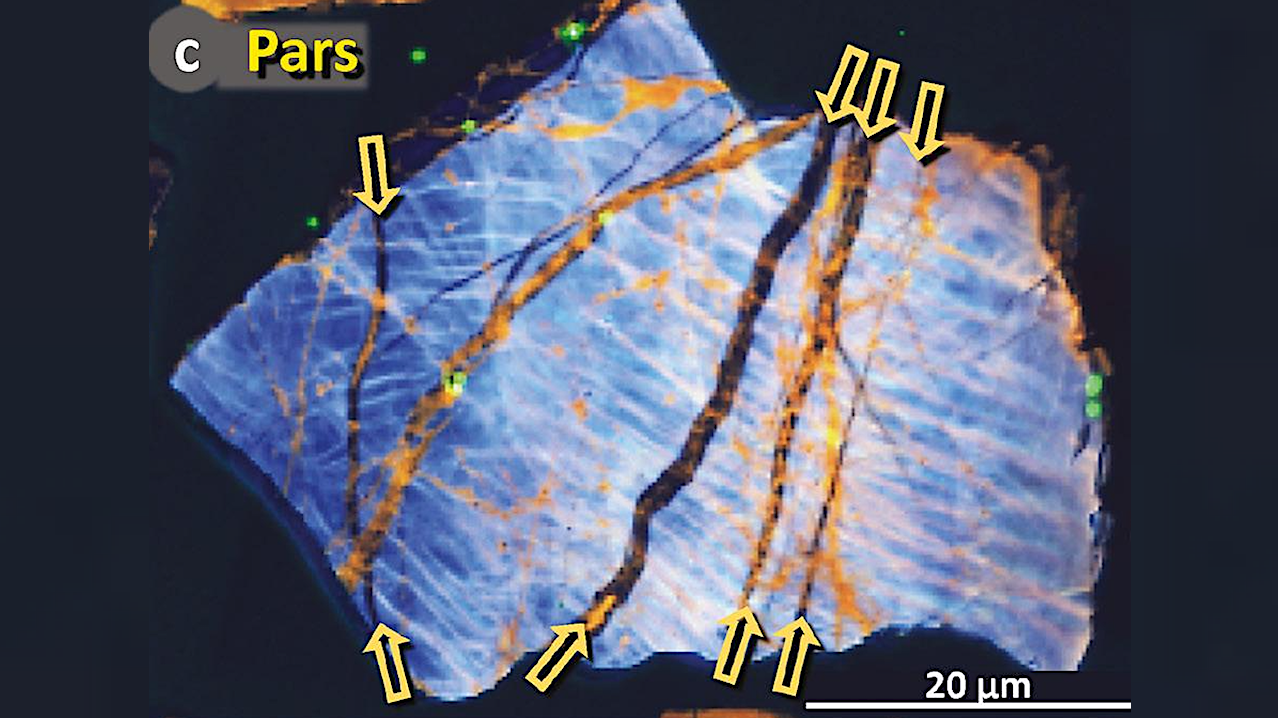
UC Santa Barbara Emeritus Professor of Earth Science James Kennett and collaborators discovered shocked quartz — grains of sand deformed by extreme pressures and temperatures — at three classic Clovis culture archaeological sites in the United States: Murray Springs in Arizona, Blackwater Draw in New Mexico, and Arlington Canyon in California’s Channel Islands. Their research appeared in PLOS One.
“These three sites were classic sites in the discovery and the documentation of the megafaunal extinctions in North America and the disappearance of the Clovis culture,” said Kennett.
Evidence for an impact
The disappearance of the megafauna and the vanishing of the Clovis culture coincide with the onset of the Younger Dryas cool episode. This roughly thousand-year period was an anomalous and abrupt return to near ice-age conditions that persisted amid what was generally a warming transition from the Last Glacial Period.
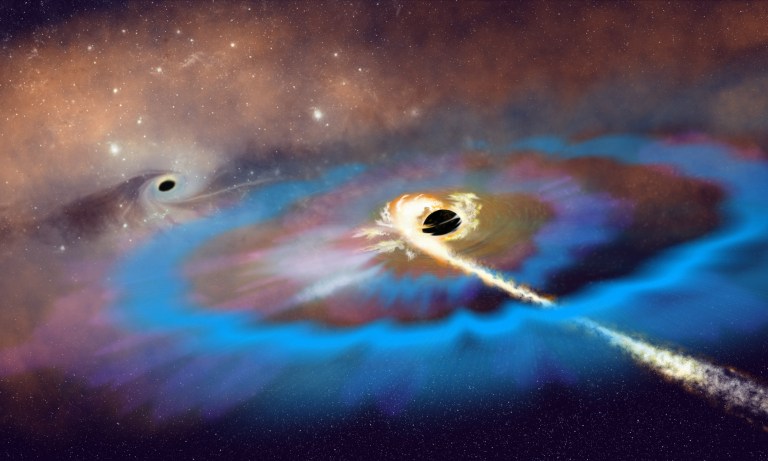
There are several hypotheses for what may have happened to trigger that event. Kennett and team propose a scenario in which a fragmented comet exploded above ground, sending shockwaves and extreme heat to Earth.
“In other words, all hell broke loose,” Kennett said. According to the Younger Dryas impact hypothesis, the explosions were responsible for widespread burning. The resulting smoke and soot, in addition to dust that blocked the Sun, created an “impact winter.” The shock of impact itself, followed by harsh conditions thereafter, may have contributed to the demise of the megafauna in both North and South America and the disappearance of the Clovis culture.
For the past couple of decades, Kennett and fellow proponents of this hypothesis have been gathering evidence that increasingly supports it, including a “black mat” layer in the sediment at many sites across North America and Europe, which is indicative of widespread burning. Additionally, they have uncovered a growing list of sites with unusually high concentrations of rare minerals that are common in comets, such as platinum and iridium. These sites also have mineral formations indicative of extremely high temperatures and pressures, such as nanodiamonds, metallic spherules, and meltglass.
Not so shocking
Thanks to advances in technology, the team is homing in on shocked quartz — grains of sand that exhibit deformations due to extreme heat and temperature. In samples from the three North American archaeological sites, the researchers identified quartz grains with telltale cracks, some filled with melted silica. They used a variety of techniques to confirm that the quartz grains had been shocked at extremely high temperatures and pressures, far beyond what could have been accomplished by volcanism or ancient human activity.
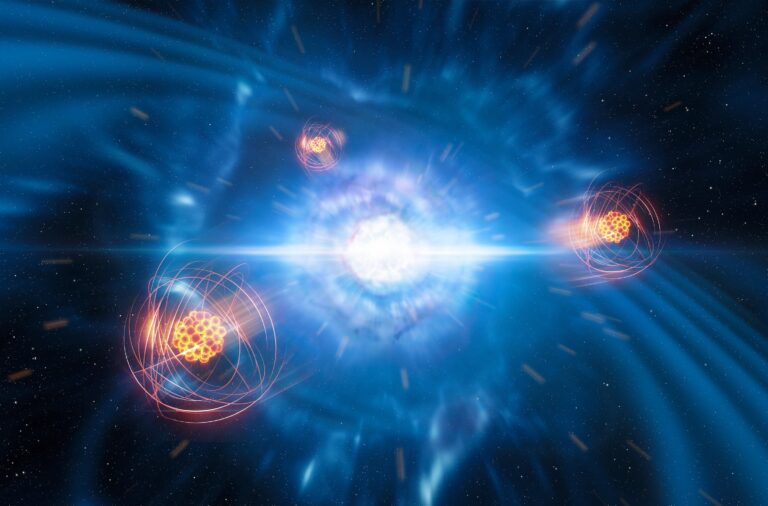
The presence of shocked quartz is particularly important in the absence of craters. Unlike the asteroid that killed off the dinosaurs 65 million years ago and left a crater beneath the Yucatan Peninsula, “touchdown airbursts” — cosmic collisions that occur above Earth’s surface, such as from this proposed fragmented comet — leave little, if any, evidence on the landscape. The team modeled these low-altitude, above-ground explosions and the variety of impacts that could lead to the shock patterns in the quartz grains.
“There are different levels of shocked quartz,” Kennett said. While the accepted evidence for cosmic impact leans heavily on the parallel cracks in quartz found at craters, the variety of directions, pressures, and temperatures that emerge around airbursts would lead to variations in the shock patterns in the quartz, he explained. “There are going to be some very highly shocked grains and some that will be low-shocked. That’s what you would expect.”
Added to the other materials found in the same layer of sediment (carbon-rich black mat, nanodiamonds, and impact spherules) at three key archaeological sites, the discovery of these shocked quartz grains “supports a cosmic impact as a major contributing factor in the megafaunal extinctions and the collapse of the Clovis culture at the Younger Dryas onset,” according to the paper.