
Key Takeaways:
- Galileo Galilei's 1633 trial by the Inquisition for his support of heliocentrism is a historically prominent case often framed as a conflict between science and religion, leading to his lifelong house arrest.
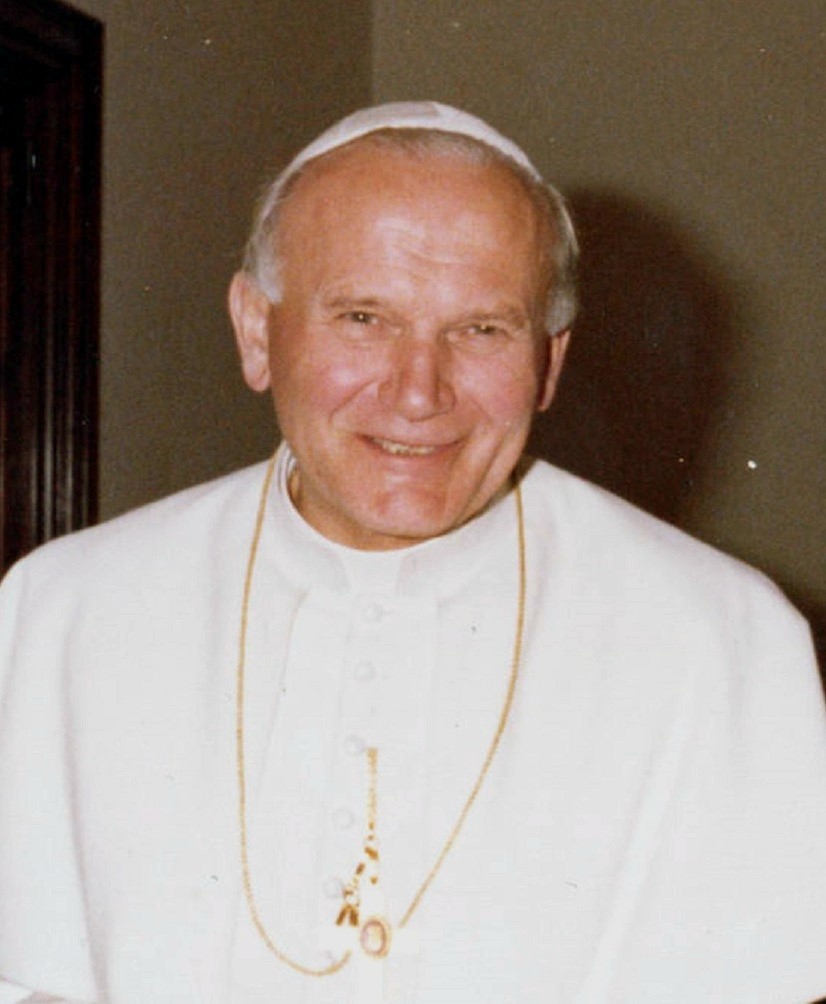
- Pope John Paul II's 1992 speech concerning the Galileo affair led to widespread, though often inaccurate, media reports suggesting a Catholic Church apology, an admission of Galileo's scientific correctness, or a formal pardon.
- The circumstances surrounding Galileo's trial were complex, influenced by political dynamics, a personal dispute between Galileo and Pope Urban VIII, and the Church's contemporary procedures for evaluating novel scientific concepts and interpreting scripture.
- Pope John Paul II's 1979 initiative to examine the Galileo affair aimed to foster a nuanced dialogue between faith and science, rather than to conduct a retrial or issue a pardon, given that the Church had acknowledged the heliocentric model for centuries prior to the 1992 address.
It’s one of the most famous science vs. religion cases of all time: Galileo Galilei is tried by in the Inquisition in 1633 for daring to suggest that the Sun, not Earth, was the center of the universe. Enraged by this Copernican heresy, the Church places Galileo under house arrest for the rest of his life. When Pope John Paul II spoke of the case in an Oct. 31, 1992, speech to the Pontifical Academy of Sciences, sensational newspaper headlines declared that after 359 years, the Catholic Church had finally apologized to Galileo, or admitted Galileo was right, or pardoned Galileo.
The truth, of course, was a bit murkier and far more complicated. First, the case itself is not so simple: There were many contributing factors to Galileo’s trial, including politics, a personal dispute between former friends Pope Urban VIII and Galileo, and the Church’s beliefs (at the time) about how new ideas should be vetted and by whom scripture could be interpreted. When, in 1979, Pope John Paul II asked the Papal Commission to examine the Galileo affair, his focus was the implications of the case regarding how to better study and reflect on faith and science in dialogue with each other. There was no re-trial or pardon, and since the Church had continued to appraise the heliocentric model for the universe after Galileo’s trial and had acknowledged it for centuries, there was no “finally admitting Galileo was right.” The results were presented in 1992, and John Paul’s much-misinterpreted speech followed.