Key Takeaways:
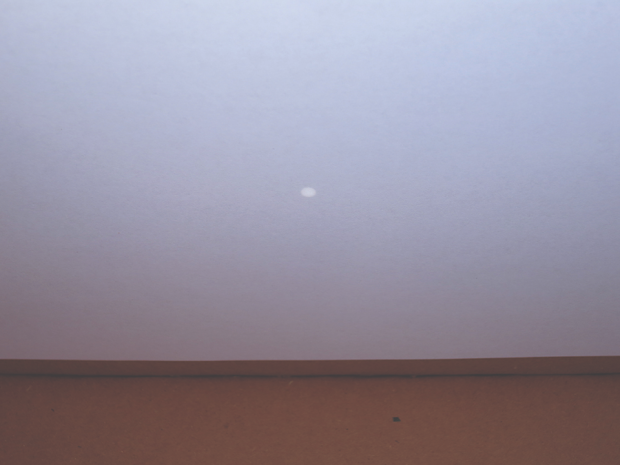
- The article provides instructions for constructing a pinhole camera using common household materials, such as a cardboard box, aluminum foil, and a pin, enabling safe observation of the Sun or solar eclipses.
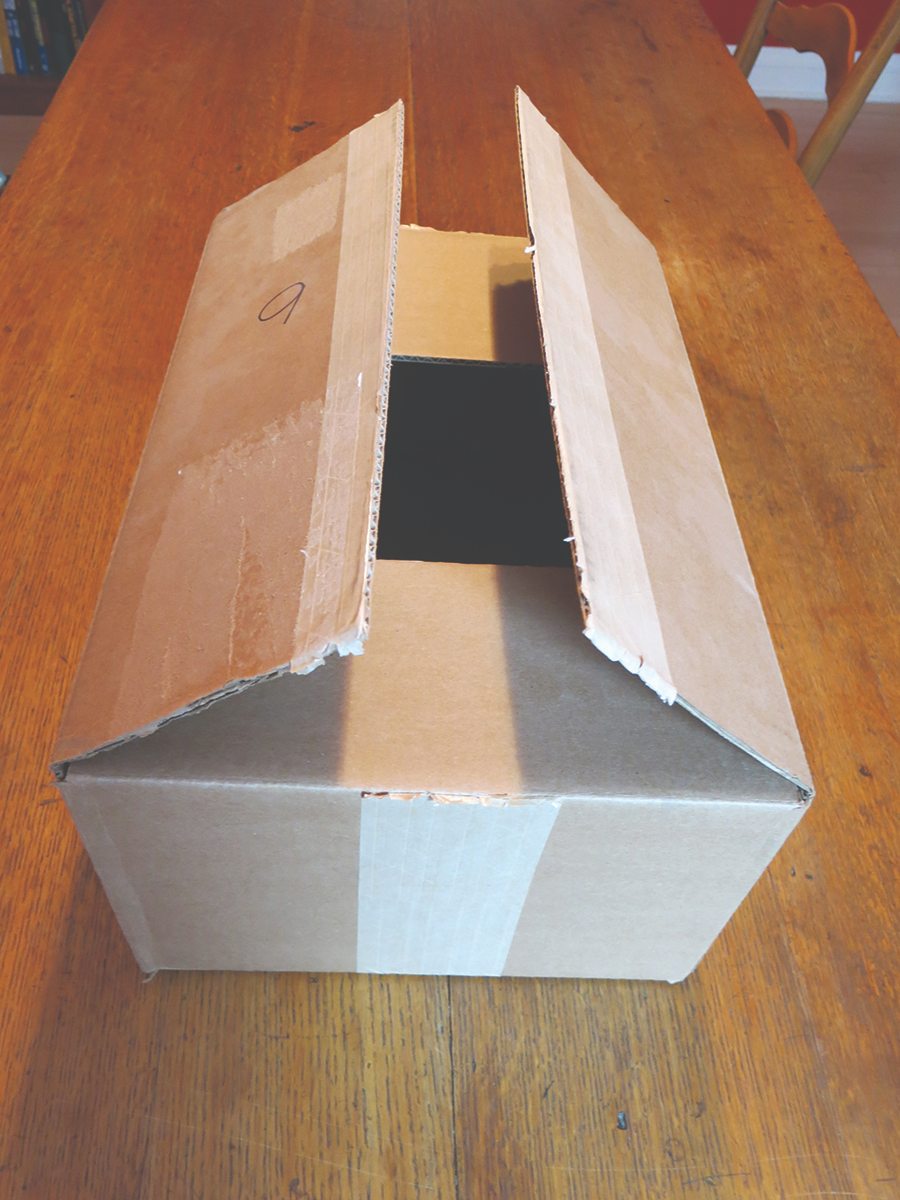
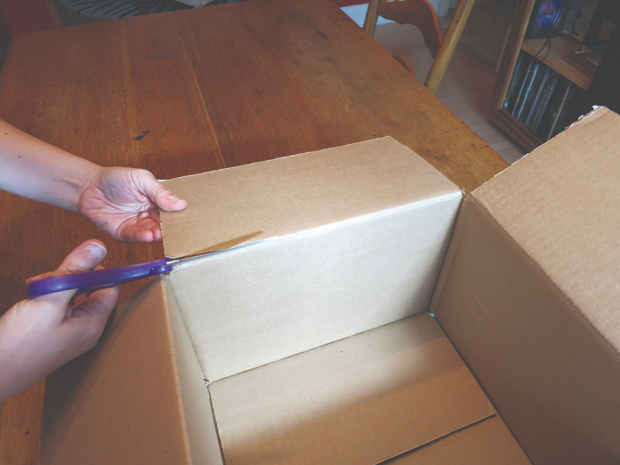
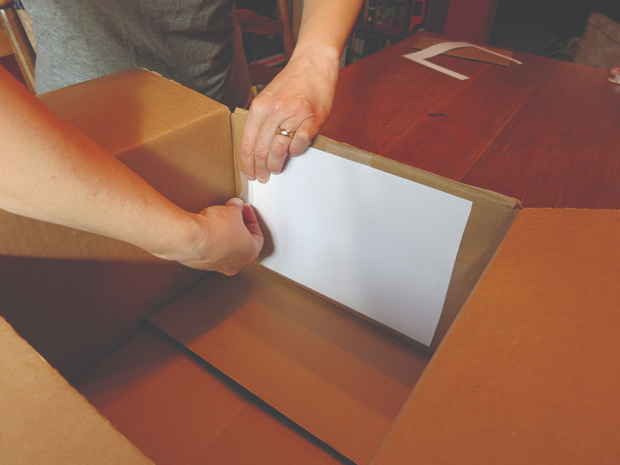
- The construction methodology involves creating a clean-edged pinhole aperture on one end of a cardboard box, at least 18 inches long, and positioning a white paper screen inside the box to project the solar image.
- Design parameters, such as the box's dimensions and the pinhole's diameter, can be experimented with to optimize the projected image, with suggestions for enhancing stability through modifications like tripod mounting.
- This do-it-yourself solar viewer is presented as an accessible and suitable educational activity, particularly for school classes, to facilitate safe engagement with celestial events.
OK, you want to view the Sun or an eclipse, but you don’t have an approved solar filter for your telescope. Maybe you don’t even have a telescope. No problem! I’ll bet you have a cardboard box. That and a few common supplies will let you build a pinhole camera/viewer that you can use to see an eclipse or the Sun.
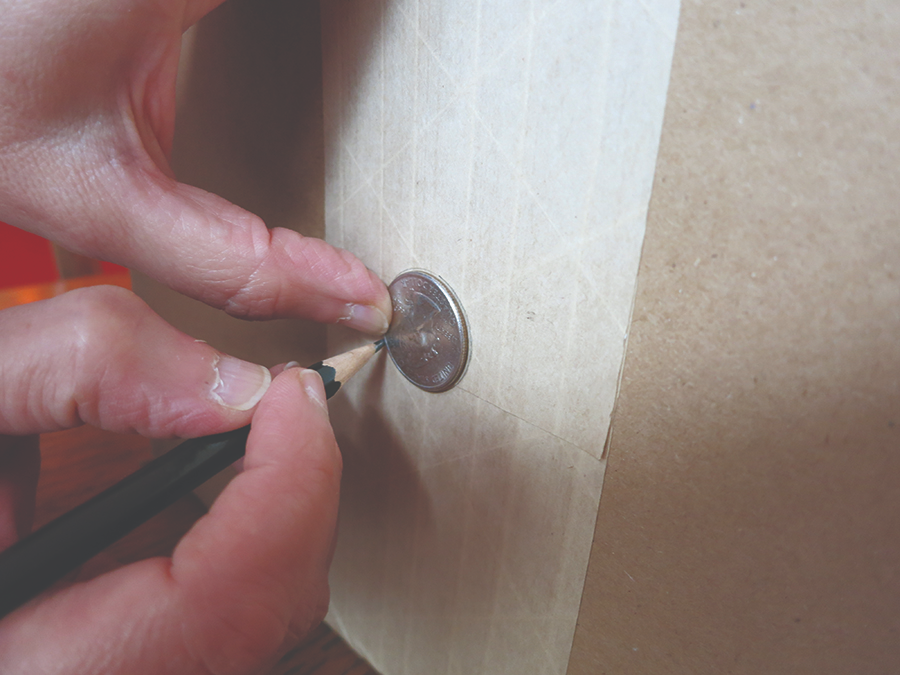
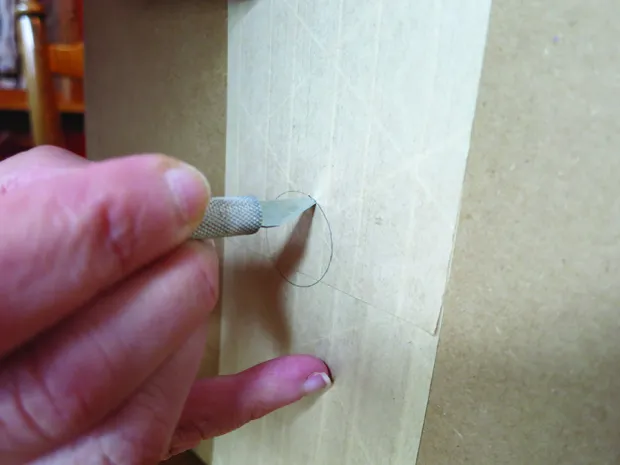
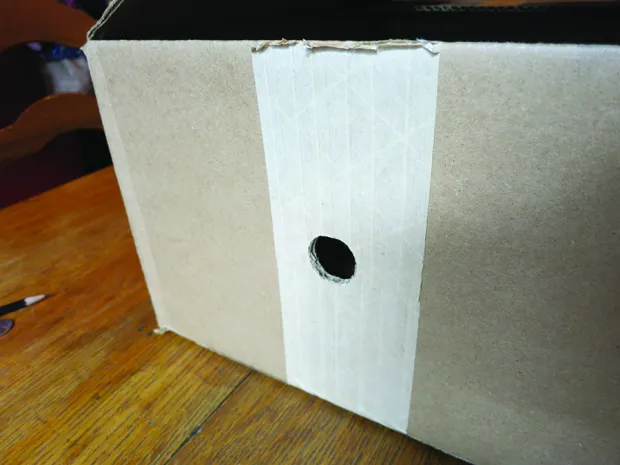
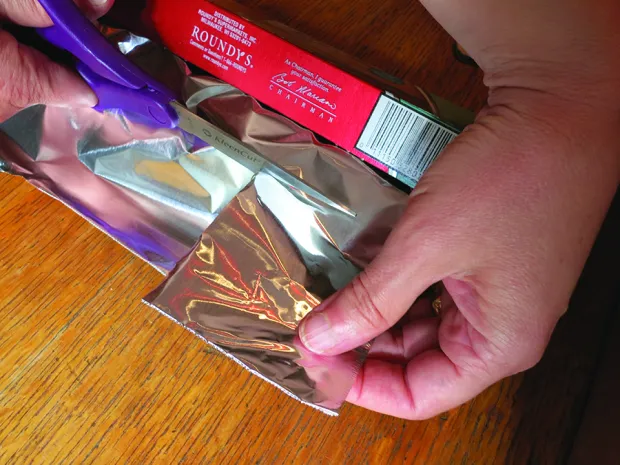
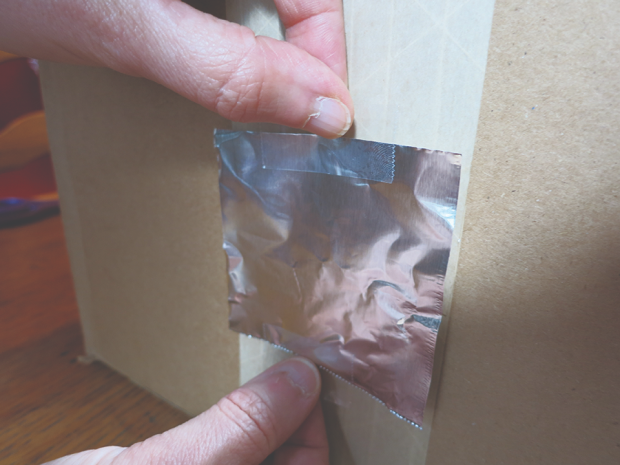
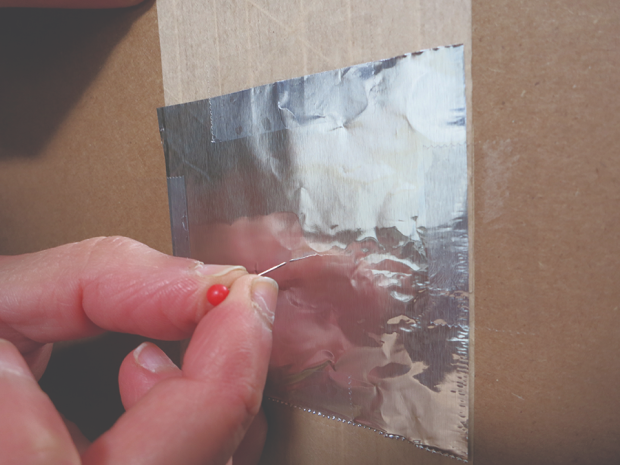
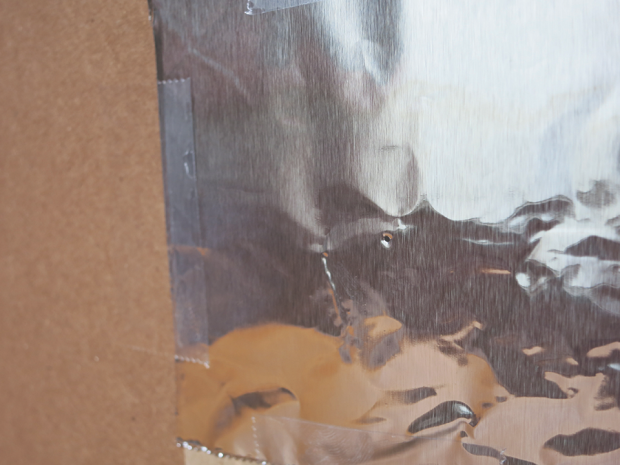
Just follow the steps in the captions. Feel free to experiment with the size of the box, whether or not you leave the extra cardboard pieces attached, or the pin’s diameter. In fact, if you’re a clever soul, you may want to mount the box on a thin plywood base, which you then can attach to a sturdy camera tripod. That way, you won’t have to hold the box while observing.
This activity is great for school classes. (I suggest the teacher cuts out the hole.)
This story was first published in 2016 and has been updated.